News
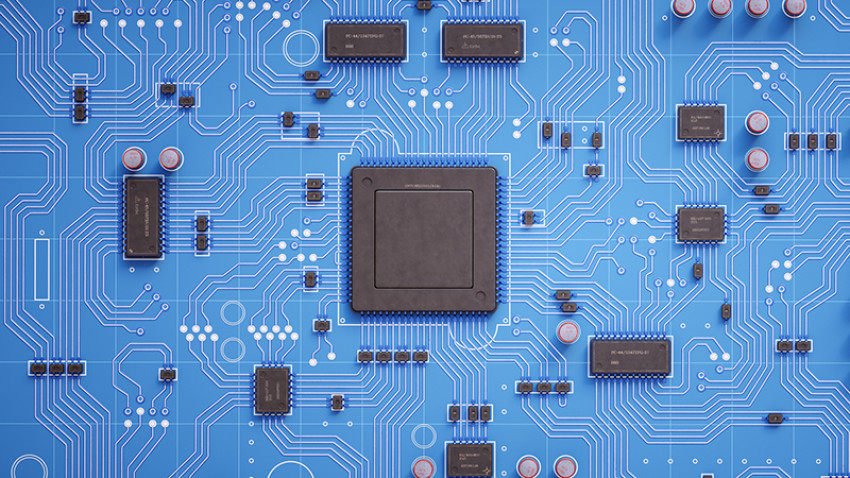
Researchers developed a method that uses krypton gas to slash the deposition temperature of the corrosion-resistant metal tantalum, resulting in thin films that have substantially higher electronic conductivity.
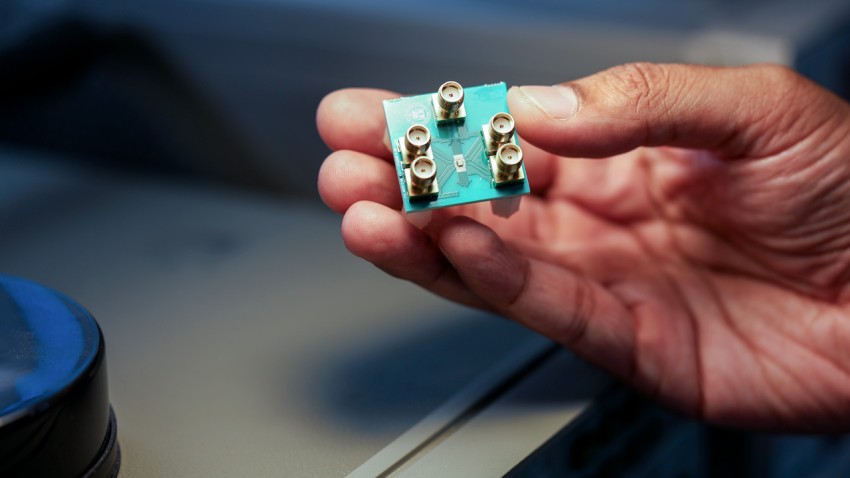
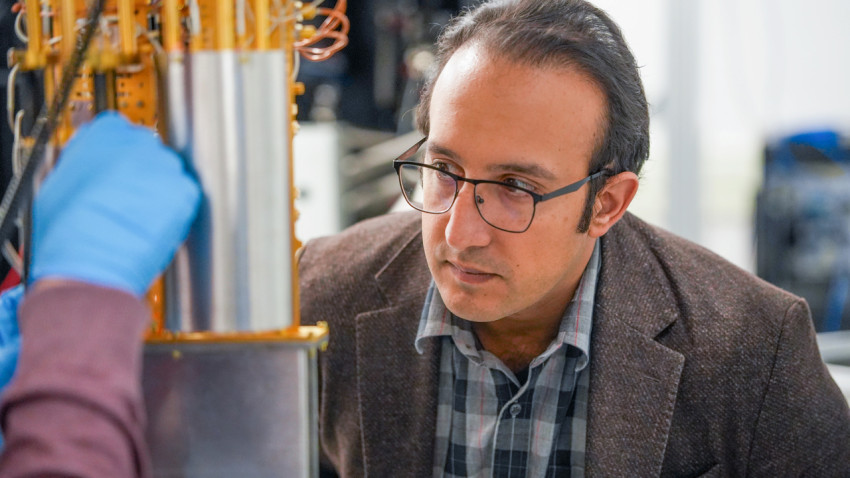
One year after unveiling a first-of-its-kind “microwave brain” microchip capable of computing on ultrafast data and wireless signals, researchers from the Cornell Duffield College of Engineering have shown how the chip can encode information into its own language.
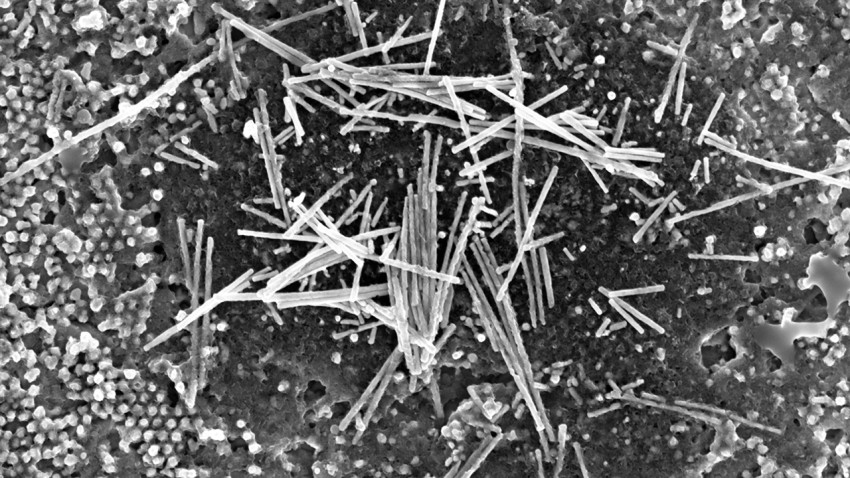
Researchers developed a potential replacement for the tiny copper interconnects in microchips: single-crystal nanowires that become better conductors the thinner they get.
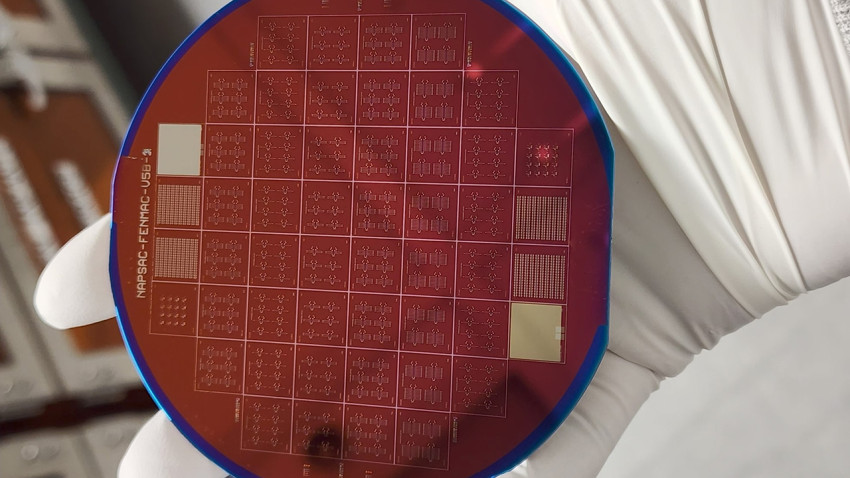
Cornell researchers have developed a computing device that stores information electrically but reads it through tiny mechanical motion, an approach that could open a path toward more energy-efficient hardware for AI and scientific computing.
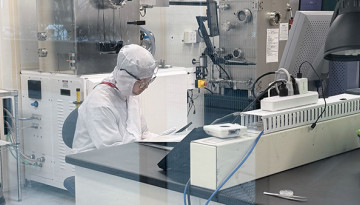
The NSF Energy Storage Engine in Upstate New York, an initiative led by Binghamton University with Cornell serving as a core partner for technology translation, has secured $45 million in renewed funding for the next three years.
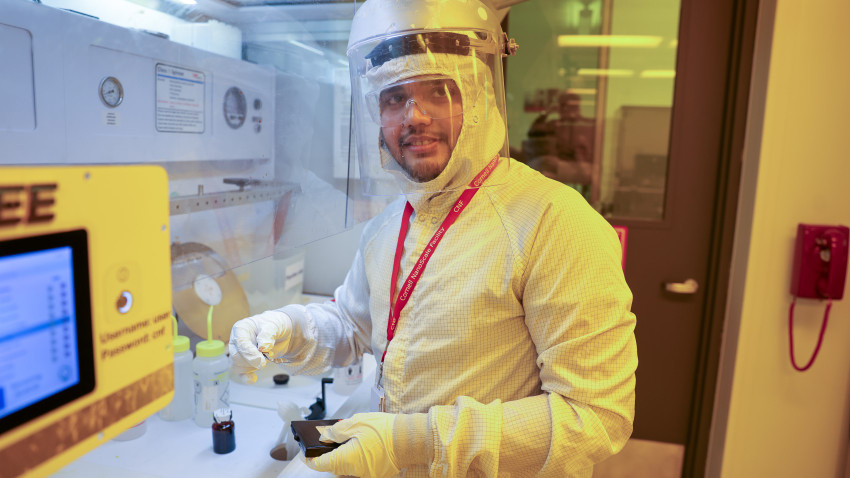
Nandan Reddy Muthangi, an M.Eng. student in Cornell’s Department of Materials Science and Engineering, is partnering with a company to develop new methods for building semiconductor test chips that improve manufacturing reliability.
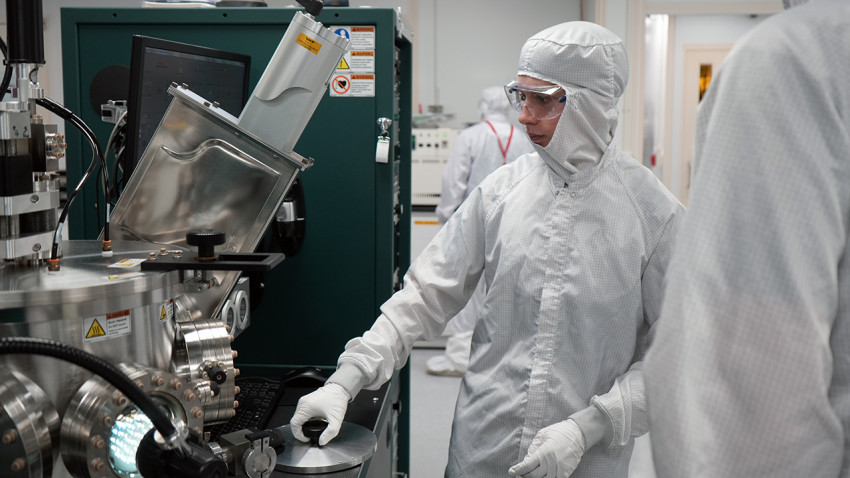
A $9.5 million investment in the Cornell NanoScale Science and Technology Facility from Duffield Engineering will position the facility for its next era of leadership in semiconductor research, education and workforce training.
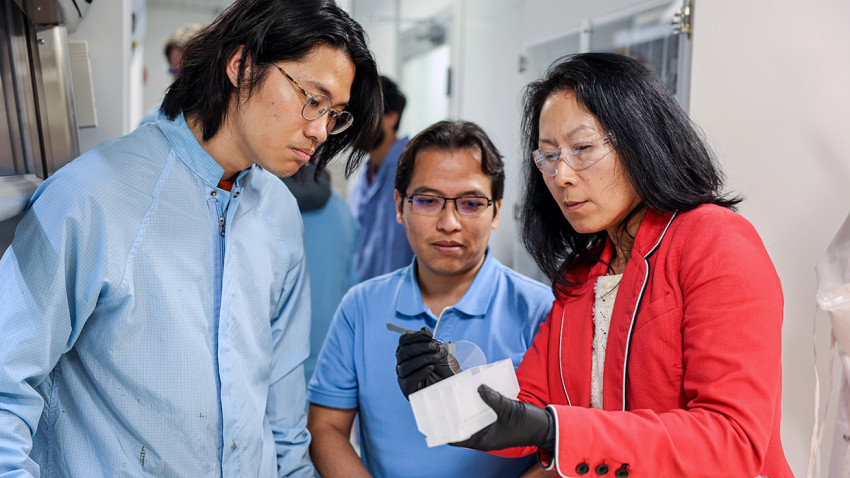
Cornell researchers have observed a quantum property of the material for the first time, an advance that could expand its technological reach.
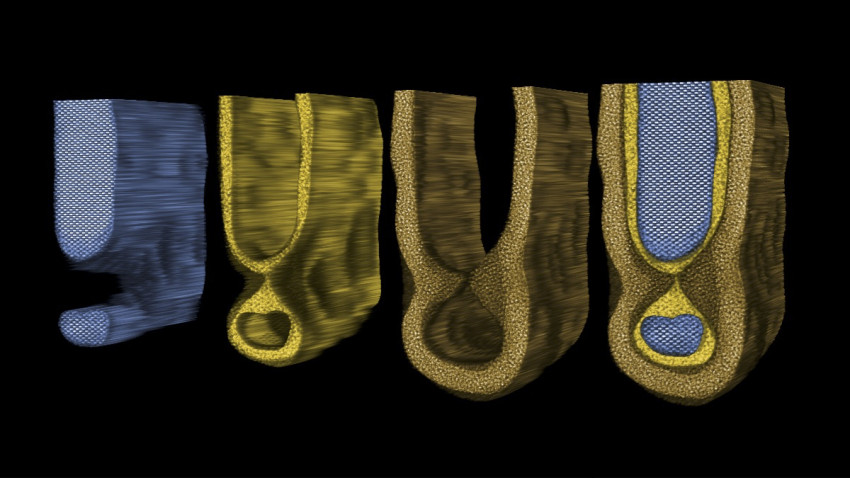
A Cornell-led collaboration used high-resolution 3D imaging to detect, for the first time, the atomic-scale defects in computer chips that can sabotage their performance.
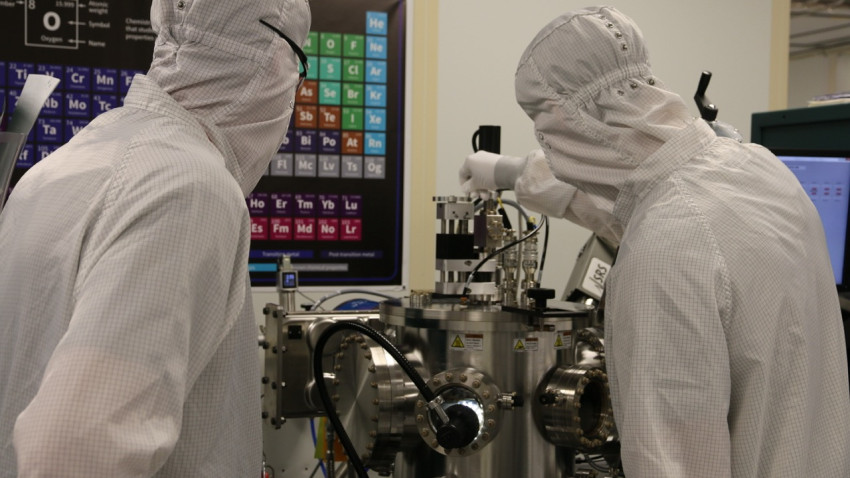
Several New York–based technology companies are accelerating next-generation semiconductor manufacturing with support from the NY THRIVE Innovation Voucher program, including projects in collaboration with Cornell University’s world-class research facilities.
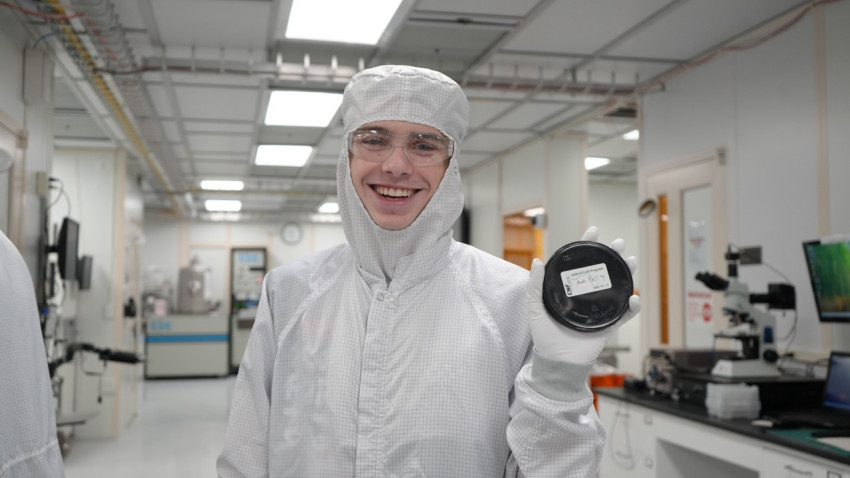
High school seniors from Tompkins-Seneca-Tioga BOCES stepped into the cleanroom at Cornell’s Cornell NanoScale Science and Technology Facility this January, trading classroom labs for hands-on experience in one of the nation’s most advanced university nanofabrication facilities.